How Taxi Drivers Can Plan Around Local Road Closures
A street can be open during the morning rush and closed by lunchtime. Utility repairs, resurfacing and major events can all interrupt a familiar taxi route. For drivers, the problem is not simply finding another road. It is keeping passengers informed, reaching safe pick-up points and avoiding promises that changing traffic conditions make impossible.
Planning begins before the first booking. Local council websites often publish information about scheduled street works and temporary restrictions. National Highways provides updates about England’s motorways and major A roads. Drivers who regularly cross council boundaries may need to check more than one source. A navigation app helps with current conditions, but a planned closure notice can explain restrictions that an app has not yet reflected.
The next step is to identify the journeys most exposed to disruption. A station entrance might remain open to pedestrians while its usual vehicle approach is blocked. A hospital appointment may allow little flexibility. Drivers can mark alternative access points in advance and consider where stopping is permitted, rather than assuming that the nearest side road is suitable.
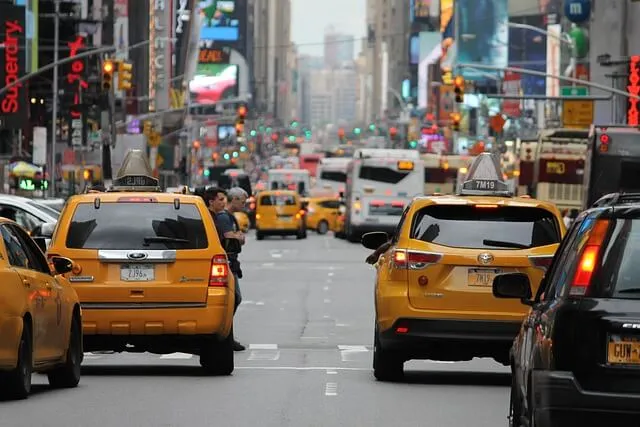
Image Source: Pixabay
A useful route plan includes a second choice, not just a longer version of the usual journey. Look for narrow streets, one-way systems, bus gates and turning restrictions before accepting an alternative suggested by a screen. Licensed taxi work also requires appropriate taxi insurance, but insurance does not make an unsafe or prohibited manoeuvre acceptable. Road signs and directions from authorised traffic staff take priority over convenience.
Time estimates should include the whole journey, including the approach to the passenger. When a bridge is closed, its diversion can affect traffic well beyond the barrier. A driver may need to allow extra time for reaching a rank or safely returning to an area with bookings. Dispatch teams can help by spreading appointments across different routes instead of placing every journey on a tight timetable.
Communication works best before the passenger starts looking for the vehicle. A short message can explain that the main entrance is inaccessible, identify a clear alternative meeting place and give a revised arrival estimate. If the change affects a passenger with limited mobility, the driver should discuss an accessible and lawful option rather than simply asking them to walk further.
Conditions may alter again while the vehicle is on the move. Drivers should not handle a phone or type into a navigation system while driving. Pulling over safely before checking updated directions prevents a small delay from becoming a greater hazard. If traffic control personnel close a previously available route, following their instructions matters more than recovering the original arrival time.
Unexpected routes can also make minor incidents harder to describe afterwards. Where there is damage or a collision, noting the location, time, road layout and relevant details may support a later conversation with a taxi insurance provider. The driver should follow normal incident and reporting procedures, without assuming that every delay or loss is covered by a policy.
There is a business side to closure planning as well. Repeated diversions can change fuel use, shift length and how many bookings fit into a day. Operators can compare actual journey times with their estimates and adjust future allocations. This is more practical than asking drivers to make up lost minutes on the road.
Some closures last only a few hours; others change traffic patterns for weeks. A shared note of blocked entrances, safe stopping places and successful alternatives can help colleagues, provided it is updated when restrictions end. Old instructions can be as confusing as no instructions at all. A quick review before each shift helps stop yesterday’s useful diversion from becoming today’s unnecessary detour.
Drivers should keep a clear distinction between travel planning and compliance. Licences, vehicle checks and taxi insurance arrangements still need attention, even when roadworks dominate the working day. A closure plan cannot remove congestion, but it can turn an unexpected diversion into a manageable change of route, timing and communication.