How to Become a Professional Audio Engineer
A live mix can be impressive at the sound desk and disappointing at the back of the venue. An audio engineer learns to notice that difference, trace its cause and make a useful adjustment under pressure. The profession includes live events, recording studios, broadcast and installation work, so the first step is to explore the settings that appeal most. Someone interested in concerts will need overlapping but not identical skills to a person who wants to edit dialogue for a podcast.
Start by learning how sound travels through a system. A microphone turns acoustic energy into an electrical signal; a mixer combines and routes signals; processing changes their level, timing or tonal balance; and a speaker turns the result back into sound. Practise tracing that path from input to output on a small setup. Understanding gain, frequency, impedance and signal flow makes troubleshooting more systematic than memorising the position of controls on one particular console.
Hands-on experience can begin with a school event, community venue or modest home recording project. Set up a microphone, record a speaking voice, listen critically and change one variable at a time. Compare microphone position before reaching for equalisation. Learn to recognise clipping, background noise and feedback, then practise correcting their causes at sensible levels. Keeping notes on what changed and why helps build judgement without relying on an expensive collection of equipment.
A live-sound trainee should also learn the practical relationship between mixers, processors and professional loudspeakers. Speaker aiming, safe rigging arrangements and appropriate system settings affect what an audience hears across the venue. Electrical distribution, working at height and lifting heavy equipment introduce hazards beyond the audio signal itself. Work under experienced supervision and follow the venue’s procedures rather than experimenting with unfamiliar infrastructure. Reliability and safe working are essential parts of a successful show. Different models of professional loudspeakers have different coverage and setup requirements.
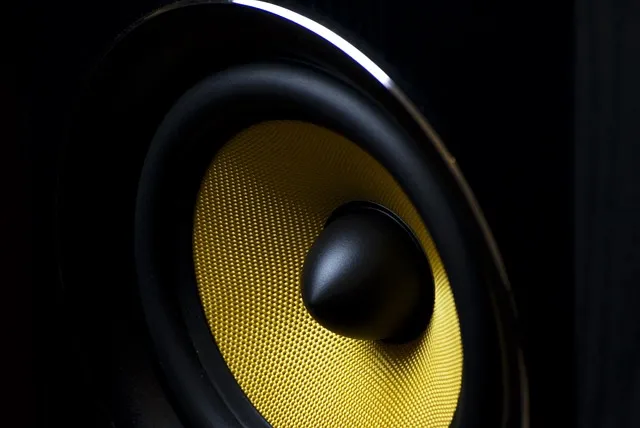
Image Source: Pixabay
Studio work calls for a different kind of patience. Learn to capture clean material, organise files, use consistent names and keep secure copies. Practise editing speech without removing natural pauses or creating distracting cuts. When working with music, compare the balance on different listening systems and monitor at a comfortable level. A controlled room can help reveal problems, but careful listening remains necessary. Software knowledge matters, yet the reason for each edit matters more than a fast shortcut.
Formal courses, apprenticeships and supervised practical work can each help build a career. Compare them by the amount of real equipment access, feedback and portfolio work they provide, not just by the qualification title. Relevant mathematics and physics can make technical concepts easier to understand, while communication skills matter when artists and clients describe sound in subjective terms. An engineer must translate those descriptions into practical choices without dismissing the person making the request.
Build a portfolio that shows decisions rather than simply displaying equipment. A short recording, a before-and-after edit or a clear account of a small event can demonstrate planning, listening and problem solving. Obtain permission before sharing another person’s performance or recording. When applying for assistant roles, explain what tasks were handled personally, what was learned and where experienced supervision was needed. A truthful account is more useful than a claim to have mastered every format. An installation sketch showing the placement of professional loudspeakers can also demonstrate the reasoning behind a live-event setup, provided it records the actual work and does not suggest responsibility for decisions made by a supervisor.
Professional habits develop one assignment at a time. Arrive prepared, check the signal path before an audience enters and keep levels under control while faults are investigated. Ask experienced colleagues why they chose a particular microphone position or processing setting, then test that reasoning in a safe environment. The goal is not to know every device immediately. It is to become someone who can listen carefully, work safely and deliver repeatable results for the people relying on the sound.