Korea’s Extended Onshore Won Trading Hours Are Changing How Locals Follow Forex
For decades, the onshore dollar-won market in Seoul closed at 3:30 p.m., leaving overnight trading to offshore markets. While South Korea was asleep, banks in Singapore, Hong Kong, and London continued trading the won through non-deliverable forwards. Korean investors often returned to the market the next morning to find that the currency had moved in response to news from Washington or Beijing. The domestic closing rate offered a snapshot of market conditions rather than a continuous view of price movements.
Up until July 2024, when the authorities in South Korea extended the hours of onshore trading to 2 in the morning, Seoul time. The reform was part of a wider package of measures to liberalize the country’s financial markets. These included allowing registered foreign institutions to access onshore currency trading directly, a move linked to South Korea’s long-standing goal of gaining developed-market status in global equity indexes. For people following forex in Korea, the extended schedule provided access to local exchange rates throughout the London session and into the early New York session.
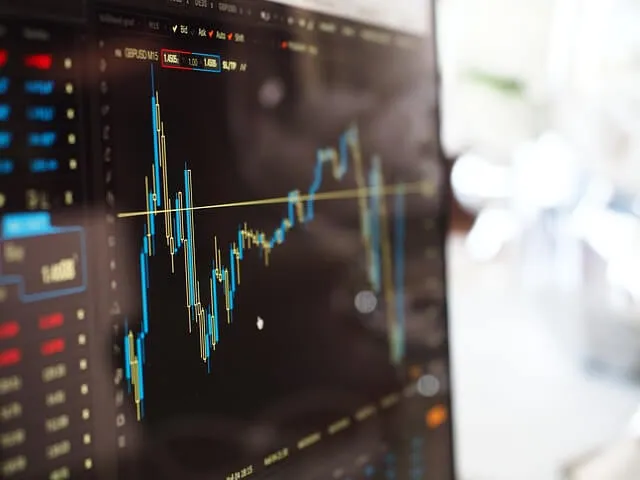
Image Source: Pixabay
The significance of the change became clearer several months later. On December 3, 2024, President Yoon Suk Yeol declared martial law for a short time while the South Korean currency market was still open. The won plunged against the US dollar amid investors’ reaction to the evolving political crisis. Under the old schedule, a lot of that would have taken place in offshore markets, and local investors would have only seen the full effects when local trading began again. With longer hours, they could watch the exchange rate as it happened and react to the news at the time.
But there are usually less traders in late night trading. Volumes of trade after the traditional afternoon close are still below daytime levels and this can make prices more sensitive to surprise announcements and large orders. Even if policymakers take measures to reduce volatility, there is a possibility that exchange rate swings will increase as a result of a decrease in market liquidity after the volatility has been reduced. Traders who trade during these hours may be subject to different risks from the busier daytime session.
Retail investing habits have also evolved. Many Korean investors purchase US stocks through banking apps or brokerage accounts, converting won into dollars before buying shares on the New York market. Some now wait until the extended trading session to check exchange rates in the evening before deciding when to convert their money. Others who hold dollars for future deposits or purchases monitor currency prices after dinner, much as they would check their stock portfolios. This flexibility gives investors more control over timing, although it does not guarantee a better exchange rate.
Major US economic releases have added to the importance of evening market activity. Inflation figures and employment reports are often published at 8:30 a.m. Eastern Time, which corresponds to evening in South Korea. The exact Korean release time varies with US daylight saving time. Because the onshore market remains open, the won can react immediately to these reports instead of waiting for domestic trading to resume the following day. Financial news websites and Korean YouTube channels have responded with more evening coverage, analyzing currency movements alongside US stock futures.
Authorities are considering further liberalization of the market, and the possibility of moving to 24/7 trading is still under consideration. For now, the extended hours have altered the way Korean investors feel about currency moves, letting them watch overnight developments instead of waking up to the results. The domestic market has become a more relevant destination for those who follow forex after normal business hours, bringing local trading activity closer to the rhythm of major financial centers in the West.