The Wedding DJ’s Secret to Crystal Clear Speeches and a Packed Dance Floor
A wedding DJ has two very different jobs in the same room. During the toasts, every guest needs to understand a quiet speaker, including relatives at the back. Later, music must feel lively enough for dancing without overwhelming people who want to talk. The secret is not one perfect volume setting. It is a plan for how the room will be used.
Give the speeches their own sound check
A microphone that works for a confident emcee may struggle when a nervous family member speaks softly or holds it near their waist. The DJ should explain basic microphone technique before the first toast and test the actual speaking position. A brief demonstration can prevent the familiar problem of guests hearing only fragments of a heartfelt story. A second handheld microphone may ease handovers between speakers.
Coverage matters as much as volume. In this setup, professional loudspeakers selected for the room can help direct useful sound toward listeners, but placement remains essential. Guests seated beyond the main system or behind a column may need a different approach from those at the front. Turning everything up is rarely the cleanest answer.
Understand what the room adds
Glass walls, exposed brick, high ceilings, and long dining tables can change how sound travels. Reflections may blur consonants, especially when guests are talking or table service is underway. The DJ can reduce unnecessary spill toward reflective surfaces and walk the guest area while someone speaks into the microphone.
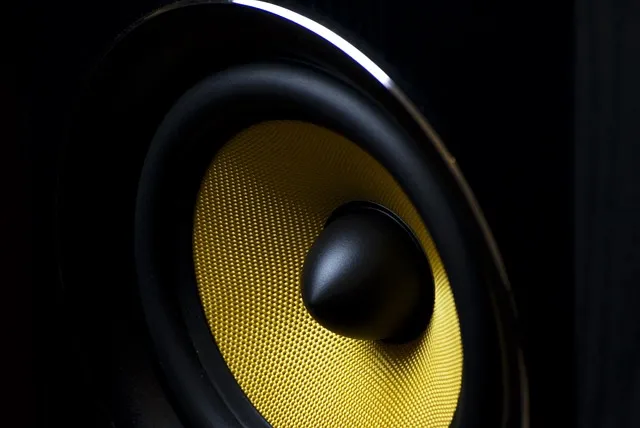
Image Source: Pixabay
A reliable plan includes checking sound at several seats, not only behind the DJ booth. If certain places are difficult, small changes in speaker angle or location may help. Any additional speakers must be positioned and timed appropriately to avoid creating new echoes.
Plan the switch to dancing
Dinner and dancing create different listening priorities. During speeches, intelligibility leads. Once the dance floor opens, the DJ may want stronger musical impact in that area while keeping the edges of the room comfortable. The setup should reflect the floor plan rather than assume that equal sound everywhere serves every guest. A clear boundary between the dining area and dance floor helps operators decide where energy is welcome and where restraint matters.
Choosing professional loudspeakers for a mixed-use reception involves considering the space, expected audience and program material. Low-frequency support may be useful for dance music, but bass management matters near tables, doors and neighboring rooms. More bass is not automatically a better party.
Keep control of feedback and interruptions
Wireless microphone batteries, connection checks and spare leads deserve a place on the event checklist. The DJ should also identify where microphones will be used and avoid placing open microphones directly in front of the main speakers where practical. Feedback during a vow or toast distracts from the event and is not solved by quick guesswork at the mixer.
Coordination helps, too. The planner can tell the DJ when servers will clear tables and when the wedding party will enter. A cue list prevents rushed transitions, while a backup option for a failed microphone avoids a long pause in front of the guests. The DJ should confirm who can approve a change to the schedule rather than rely on conflicting instructions.
Judge success from the guest’s side
A useful final walk should include an occupied dining table, a spot near the room entrance and the dance floor edge. Guests should hear the words without strain and enjoy the music without needing to shout everywhere. The DJ must also respect the venue’s sound limits and any restrictions agreed for the event.
Even excellent professional loudspeakers cannot overcome every difficult room or poorly handled microphone. They work best as part of a thoughtful system with sensible coverage, suitable processing and an operator who listens throughout the evening.
The memorable moments are a toast that reaches the back table and a dance floor that fills naturally. Those results come from preparing for both halves of the celebration, then adjusting to the people actually in the room.