Lira Inflation Pushes Turkish Savers Toward Forex
Turkey’s continuing currency slide has been reshaping the way ordinary people think about saving money, budgeting, and planning for the years ahead. For years, households in Istanbul, Ankara, and Izmir have watched their lira balances lose value nearly every month, and that steady erosion has prompted many to turn to instruments once considered the domain of professional traders. Neighbors have talked about grocery bills doubling within a year, and that kind of lived experience changes financial habits more than any economic seminar could. These conversations have spread quickly across generations, workplaces, and online communities.
Retired savers have increasingly moved a portion of pension holdings into foreign currency accounts as monthly budgets shrink in real terms. Such moves have become more common across the population. What was once a niche activity for import companies and wealthy families with offshore accounts has now spread to school teachers, small shop owners, and university students trying to protect the value of part-time earnings. A more general change that indicates a change in how the instability of money changes both spending habits and attitudes toward risk.
This trend has also seen interest in forex trading rise with more residents looking to actively manage exposure to the lira rather than just hold cash. Platforms that provide access to currency pairs have seen a spike in signups from people who describe themselves as first-time participants in the market. Many use their forex activity as a hedge, moving savings into dollars or euros when the lira is relatively strong, and converting back when it weakens again.
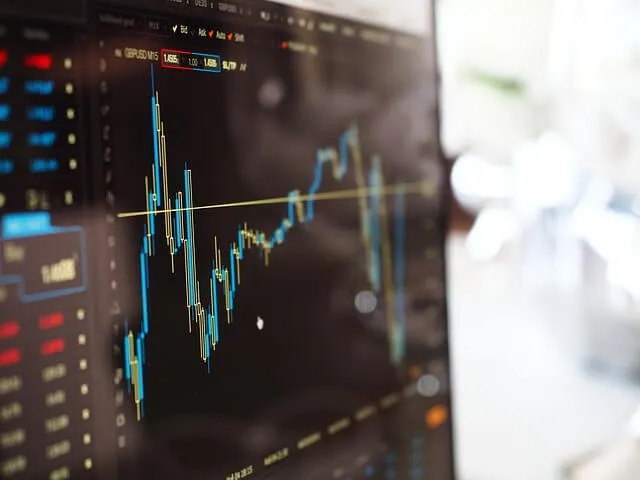
Image Source: Pixabay
Banks in Turkey’s big cities have also observed the change. In some branches, foreign currency accounts, once a small share of retail banking, now make up a large part of household savings. At these institutions, staff report customers asking more detailed questions about exchange rates than they did five years ago, often referencing daily fluctuations they track on their phones. Small business owners face a related shift: contracts priced in dollars have become the norm for exporters seeking to avoid the unpredictability of invoicing in lira. This pattern of dollarization in trade is a reflection of what individual savers are doing on a smaller scale, and more generally a loss of confidence in the domestic currency as a stable unit of account.
For younger Turks, the situation has produced both pragmatism and curiosity. Countless social media groups are devoted to currency trading and personal finance, with people posting portfolio screenshots and debating the merits of different trading platforms. The Central Bank of the Republic of Turkey continues to adjust interest rates in an effort to stabilize the lira, and those policy moves are quickly felt in public sentiment. Each rate decision tends to produce a short-term swing in how much foreign currency people are willing to hold versus convert back into lira, analysts say.
Much depends on whether inflation slows in a sustained way, and how long the trend toward diversification of savings continues. For now, the instinct to protect value through currency diversification remains a defining feature of household financial planning in Turkey.

Comments