Why Excess Retail Inventory Is Creating New Opportunities for Resellers
A retailer can make a sensible buying decision and still end up with more stock than customers want. Forecasts miss the mark, seasons change, packaging is refreshed and ranges are replaced. Warehouses then fill with goods that still have resale value but no longer fit the retailer’s main sales plan. For independent resellers, that mismatch can create an opening.
The opportunity begins with a simple difference in priorities. A large retailer usually needs fast stock movement, predictable shelf space and efficient warehousing. A smaller reseller may be willing to sort mixed goods, photograph individual items and sell them through several channels. Stock that is awkward for one business can therefore be inventory for another.
This is one reason liquidation auctions can attract resellers looking beyond traditional wholesale catalogues. The stock may come from over-ordering, discontinued lines, seasonal changes or other routine retail decisions. The attraction is not merely the possibility of buying below normal retail prices. It is the chance to acquire goods whose value can be recovered through patient sorting, accurate descriptions and a sales route suited to the items.
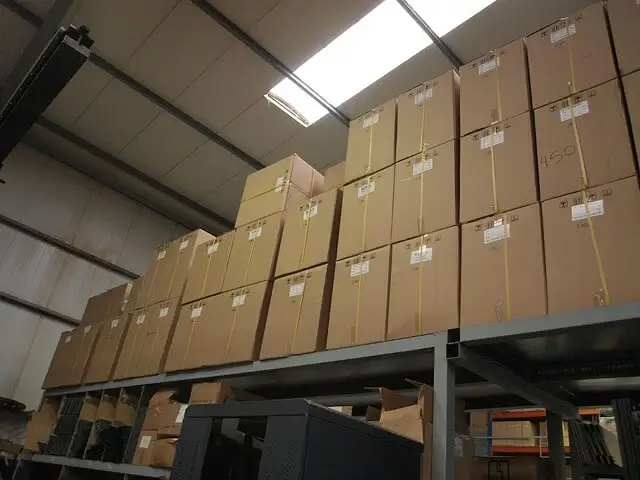
Image Source: Pixabay
That does not make every lot a bargain. Excess stock can include slow-moving products for a reason. Demand may be weak, sizes may be uneven, packaging may be dated or the mix may not suit a particular customer base. A reseller who focuses only on the apparent discount can easily overlook the work and cost between purchase and final sale.
Experienced buyers therefore tend to think backwards from the customer. Before bidding, they consider where the goods could be sold, what buyers in that channel expect and how quickly the stock is likely to move. A box of small household items may suit online listings, while bulky goods could make more sense for local collection. The resale route changes the value of the same stock.
The structure of liquidation auctions also rewards preparation. Lot descriptions, images and any available inventory information should be read closely rather than treated as background. A reseller can estimate how much of the lot appears relevant, identify obvious uncertainties and set a maximum buying figure before competition begins. That limit should leave room for fees, transport, storage, testing, cleaning, packaging and unsold items where those costs apply.
Another opportunity comes from specialisation. A general buyer may see a mixed batch of unfamiliar goods, while a reseller who knows one category may recognise brands, common faults, useful accessories or seasonal demand patterns. Knowledge can turn sorting from guesswork into a repeatable process. It can also help a buyer reject stock that looks attractive but does not fit the business.
Cash flow matters as much as potential margin. Bulk purchases tie up money before the first item is sold. If stock takes months to clear, even a promising purchase can restrict the next buying decision. Resellers can reduce that pressure by choosing lot sizes they can handle, tracking sell-through and learning which categories convert into cash at a workable pace.
There is also a practical advantage in treating liquidation auctions as a sourcing channel rather than a shortcut to easy profit. That mindset encourages buyers to record outcomes. They can compare expected and actual sale prices, note the time spent processing goods and identify which purchases produced too much waste or too many low-value listings. Each completed lot then improves the next decision.
A disciplined buyer also leaves room to decline stock. Availability can create pressure to keep purchasing, particularly when several lots appear attractive at once. Holding back capital for a better fit is part of sourcing. The quality of the decision matters more than the number of lots acquired.

Comments