Forex Becomes a Peso Workaround for Everyday Argentines
The typical currency crisis does not make a big entrance. In Buenos Aires, it arrived slowly, through kiosks that began quoting two prices: one official and one implied but never written down. Long before economists gave the pattern a name, ordinary people were already using it, treating cash as something to convert the moment it reached their hands. Grocery shoppers point to the exchange rate chalked up at a kiosk counter each morning as their most trusted gauge of the country’s inflation.
Beneath this everyday habit is a growing interest in the forex market as a business tool. Savers who once kept fixed-term peso deposits now ask their children to explain currency pairs. University students in Córdoba trade tips on trading platforms between classes, the way earlier generations traded bus routes. Holding pesos overnight has become risky enough that even cautious households have started paying attention to exchange rates.
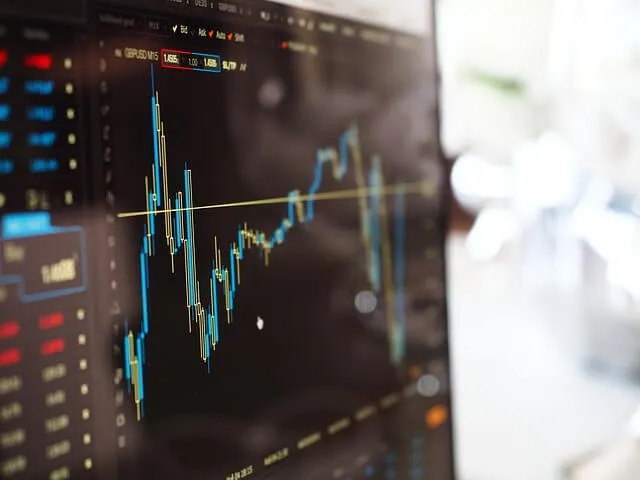
Image Source: Pixabay
Long lines still form at Banco de la Nación branches, but the purpose has shifted. Customers now line up mainly to convert pesos into dollars. Traders willing to learn the process have moved part of that demand onto forex platforms, including the MT4 and MT5 terminals used by many retail brokers. Some of these platforms operate through mobile applications, while others require a desktop terminal and a funded account with a regulated broker. Commission structures vary widely, and many first-time users spend weeks comparing spreads before placing a first trade. A shopkeeper in Rosario put it plainly: they buy and sell to protect the value of their earnings.
Trading education groups have multiplied on Telegram, some with thousands of members sharing screenshots and predictions about the next rate cut. Members post charts, ask about commission costs, and debate whether the blue dollar gap will widen before the weekend. Group administrators post daily summaries of central bank announcements, and newer members are often walked through basic terminology by more experienced participants. The exchanges are casual and sometimes disorganized, and they have taught many participants basic financial concepts that schools never covered.
Argentines who lived through the 2001 collapse remember financial promises that vanished overnight, and that memory makes many approach currency speculation carefully. Their caution is earned. Older relatives sometimes warn younger traders against overconfidence, recalling banking restrictions imposed during past crises, and those warnings are heard respectfully, even when they go unheeded. Younger traders, who have never known a stable peso, treat currency volatility as an ordinary part of daily life. Cafés around Buenos Aires have become informal meeting points where retail traders check charts over coffee that grows more expensive each month. Some use TradingView on phone screens with cracked glass, marking support levels between sips. The scene is unpolished, and it reflects how ordinary Argentines have folded currency trading into daily financial life.
For most participants, converting pesos into dollars is a routine household task. Few describe it as an investment strategy or a path to wealth. Financial advisors in Buenos Aires increasingly field questions about currency risk during routine client meetings. The habit centers on preserving purchasing power, one conversion at a time, as the value of the peso continues to shift week to week.