Ways to Evaluate Risk Before Trading a New CFD Market
A familiar order ticket can make an unfamiliar market look deceptively manageable. The buy and sell buttons remain in the same place, yet the instrument behind them may follow different trading hours, margin rules and price drivers. Before entering a new market through cfd trading, the useful question is not whether its chart looks tradable. It is whether the position will behave as expected when conditions deteriorate.
Experienced traders begin with the contract specification, then study the chart. Beginners often reverse that sequence. A clean technical setup means little if the spread triples during the relevant session or if one normal price movement represents an uncomfortable percentage of account equity.
Examine the Underlying Market
A CFD takes its direction from an underlying asset, but different assets have different market structures. A share CFD may follow a primary stock exchange. An index product can be priced from cash constituents during the day and futures outside regular hours. Oil may track a specific futures contract that approaches expiry.
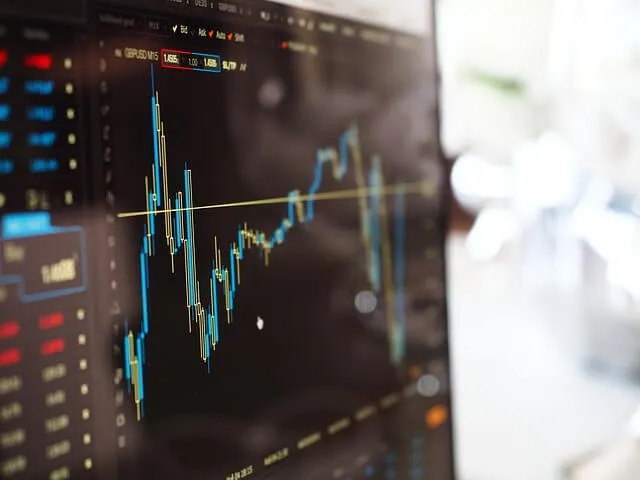
Image Source: Pixabay
These distinctions affect when liquidity is deepest and which events matter. A trader moving from major currencies into natural gas, for example, encounters weather forecasts, storage reports and seasonal demand patterns that do not appear in ordinary currency analysis. The chart is only the final expression of that machinery.
Convert Price Movement Into Account Risk
Comparing instruments by points is nearly useless. A 50-point index move, a $1 oil move and a 1% share move produce different financial outcomes depending on contract size and stake value. The position should be translated into account currency before the trade is considered.
Suppose a product moves 1.8% on an average active day. If the proposed position would lose 4% of account equity during that ordinary move, the problem is not unusual volatility. The exposure is too large for the market’s normal rhythm.
Quiet markets can be more dangerous than lively ones.
That sounds counterintuitive, but low recent volatility often encourages larger positions and tighter stops. When volatility returns after a long consolidation, several weeks of accumulated risk can be released in one session. A trader who respected a visibly volatile market may become careless precisely because the new one looked calm.
Test Costs During the Hours You Will Trade
The advertised minimum spread is not the same as the spread likely to appear at the intended entry time. Check pricing during the market open, major announcements, overnight periods and scheduled maintenance windows. Also examine commissions, overnight financing, currency-conversion charges and any adjustments linked to dividends or futures rollovers.
Holding costs deserve particular attention when a short-term idea becomes a multi-day position. One trade that remains open for a week can accumulate enough financing to change the original reward-to-risk calculation. The market did not necessarily move much. Time made the position more expensive.
Observe How Orders Behave Around Events
Consider an oil CFD before the weekly US inventory report. Crude has spent several sessions below resistance, then jumps through that level immediately after a larger-than-expected inventory draw. Breakout buyers enter, but the first move fades as the report’s details show weaker refinery activity. Price returns below resistance while spreads remain wider than they were minutes earlier.
A beginner may conclude that the analysis was simply wrong. An experienced trader sees several separate risks: headline-driven volatility, temporary loss of liquidity, slippage and a false breakout caused by incomplete interpretation of the release. The direction was only one part of the trade.
Market orders, stops and limits should be observed on a small position before normal size is used. How far can execution differ from the displayed price? Does the platform reject amendments during rapid movement? These practical details rarely appear in a chart review.
Investigate Gaps and Provider Rules
Some markets close daily or over the weekend, leaving positions exposed to news that arrives while trading is unavailable. A stop can trigger when the market reopens, but it cannot guarantee a fill at the requested level if price has jumped past it. Individual shares are particularly sensitive to earnings announcements, while commodities can gap after geopolitical developments or weather updates.
Provider rules matter as much as market behaviour. Review margin close-out levels, guaranteed-stop availability, trading suspensions, maximum order sizes and the treatment of expiring contracts. Two providers can offer similarly named products with meaningfully different conditions.
Before committing normal capital to a new cfd trading market, record five figures: average daily range, typical spread during your session, overnight cost, position value per point and the largest recent gap. Calculate the account loss under that gap, then place several minimum-size trades to inspect execution. If those numbers are unclear, the market is not yet familiar enough for full exposure.